
Niagara Falls in winter is not a compromise trip. It’s a different version of the Falls altogether. Quieter. Rawer. More dramatic. Snow settles on the cliffs, ice builds along the railings, and the mist freezes into sculpted layers that you’ll never see in summer.
If you want crowds, boat rides, and warm weather, winter isn’t for you. If you want atmosphere, space, and a side of Niagara most people miss, winter is one of the best times to go.
This guide is written from a real travel perspective, not brochure talk. It answers what people actually want to know before planning a winter trip to Niagara Falls in 2026.
Does Niagara Falls Freeze in Winter?
Niagara Falls does not fully freeze, and you shouldn’t expect it to.
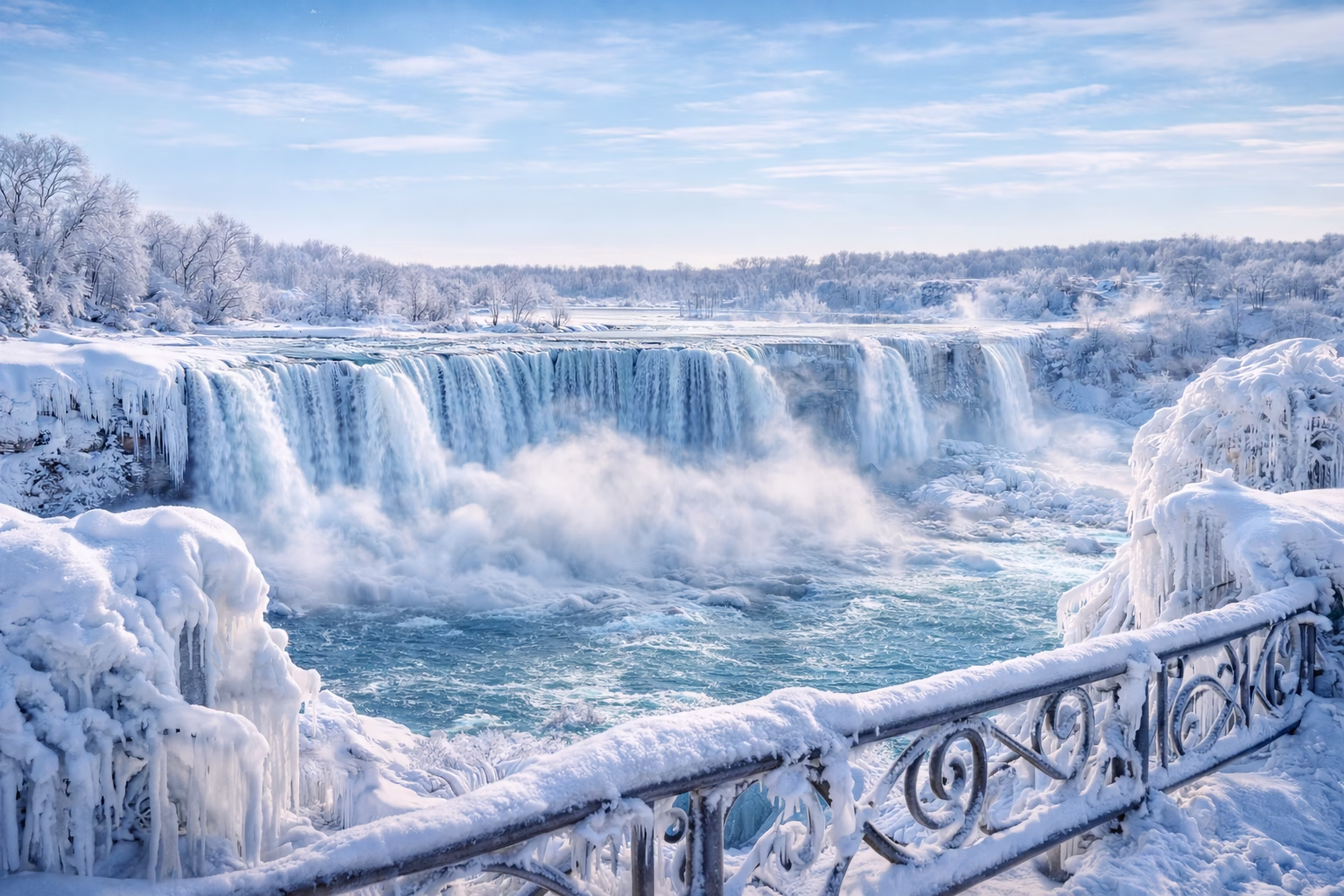
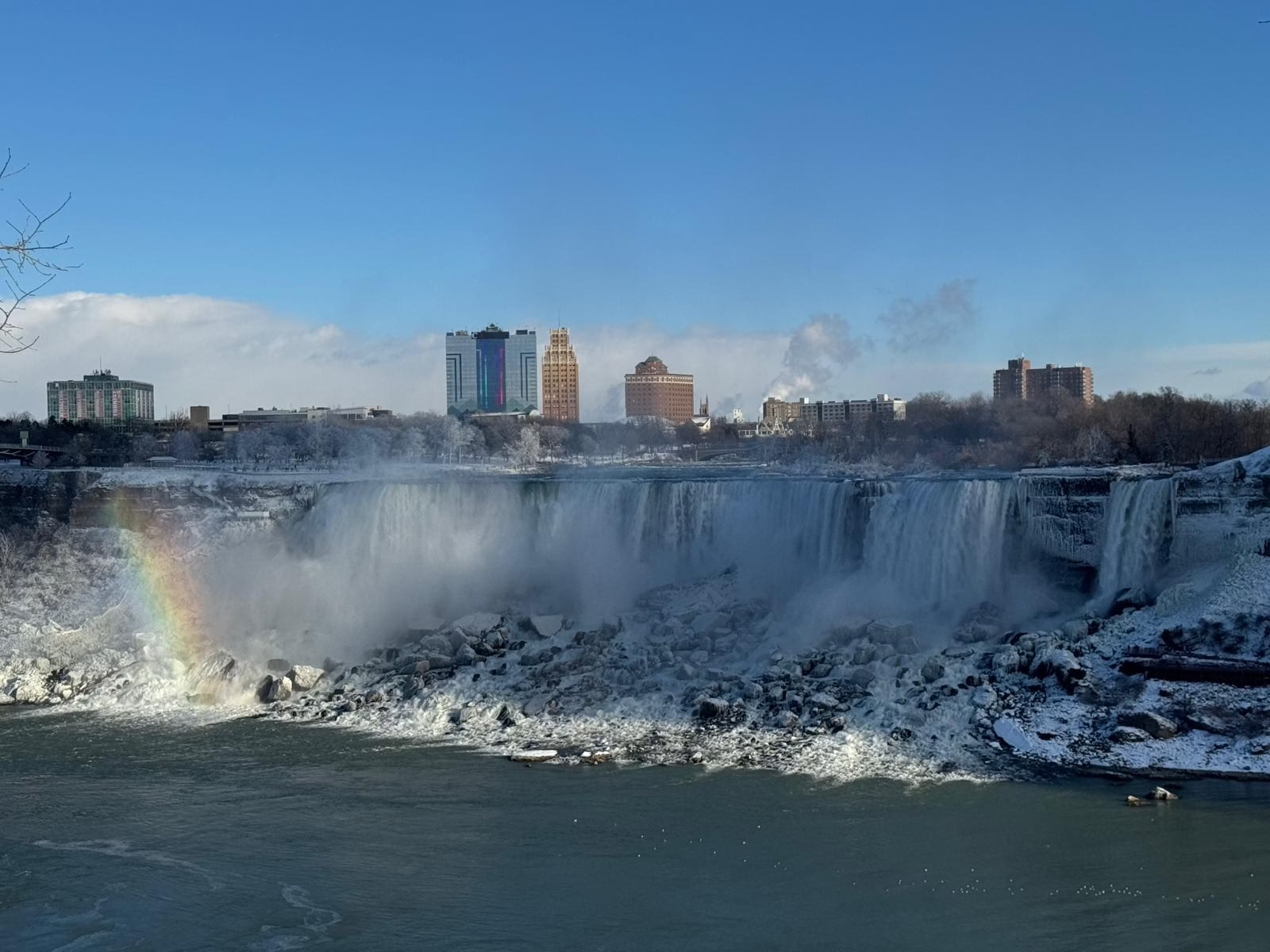
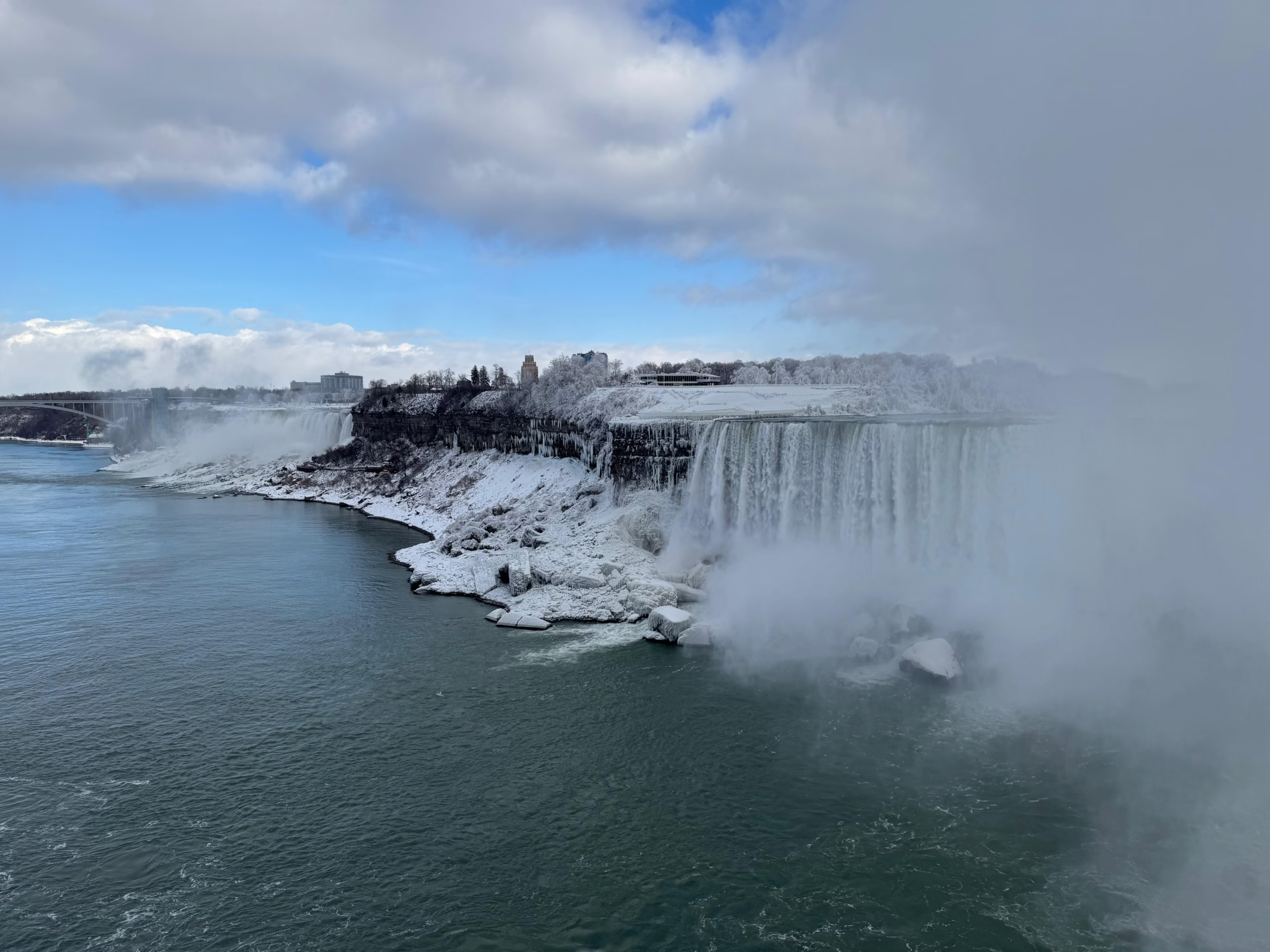
What does happen is more impressive. Large sections of the American Falls and Bridal Veil Falls often become heavily frozen. Ice shelves form at the base of the Horseshoe Falls. The mist rises and freezes on contact, coating trees, rocks, and railings in thick ice.
According to Niagara Parks records, the last time Niagara Falls completely froze was 1848, when an ice jam stopped the river’s flow. It hasn’t happened since.
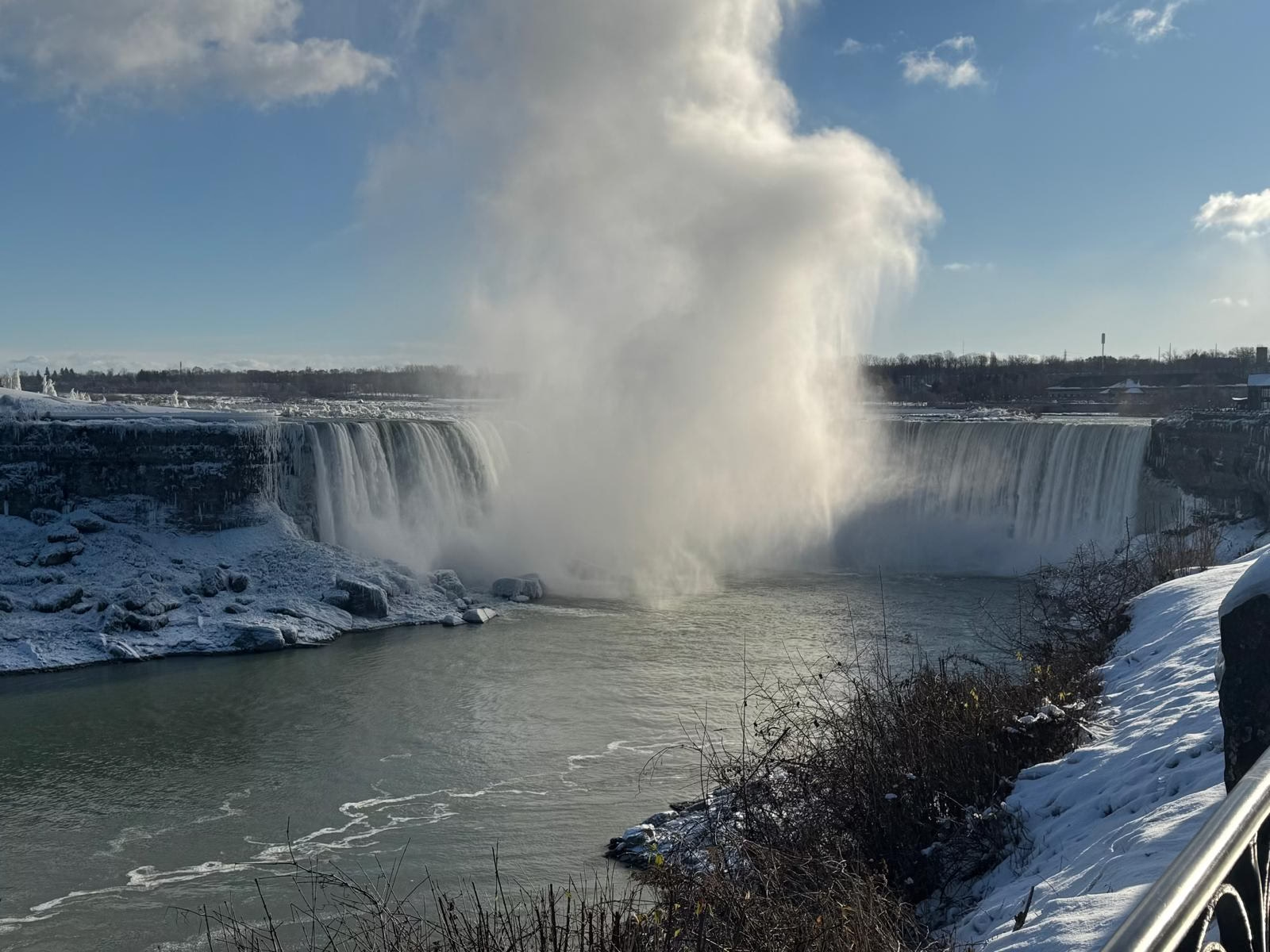
What you’ll see instead is a powerful waterfall surrounded by ice and snow, which many visitors find more dramatic than summer.
Best Time to Visit Niagara Falls in Winter
The best winter experience depends on what you want to see.
Niagara Falls in December
December is unpredictable. Some years bring early snow and ice, others stay mild until January. The big advantage is atmosphere. The city is decorated, holiday lights are everywhere, and winter festivals begin.
December is ideal if you want:
- Christmas markets and lights
- Winter Festival of Lights
- New Year’s Eve events
Niagara Falls in January
January is colder and quieter. Fewer tourists, lower hotel prices, and a stronger chance of frozen scenery.
This is a good month if:
- You want minimal crowds
- You don’t mind cold temperatures
- You want a peaceful experience
Niagara Falls in February (Best for Frozen Views)
February is usually the best month to see Niagara Falls partially frozen. After weeks of freezing temperatures, ice formations are at their peak.
If your main goal is winter photography and dramatic ice buildup, February is your safest bet.
Is Niagara Falls Worth Visiting in Winter?
Yes, if you value experience over convenience.
Best for
- Photography and dramatic landscapes
- Couples and solo travelers
- Budget-conscious travelers
- Travelers who dislike crowds
Not ideal if
- You want boat tours
- You dislike cold weather
- You’re traveling with very young children
What to Wear at Niagara Falls in Winter
Dress warmer than you think you need.
The mist from the Falls makes everything colder. Standing near the railings can feel 5–10°C colder than the forecast.
Wear:
- Warm winter coat
- Thermal layers
- Hat, scarf, winter gloves
- Winter boots with grip
- Wool or thermal socks
Avoid sneakers or smooth-soled boots. Paths can be icy even when cleared.
What’s Open at Niagara Falls in Winter?
Some major outdoor attractions close, but many of the best experiences remain open year-round.
Closed or Seasonal
- Niagara City Cruises (Hornblower / Maid of the Mist)
- White Water Walk
- Select Hiking Trails
Open All Year
Journey Behind the Falls (Winter Experience)
Journey Behind the Falls stays open through winter and feels completely different this time of year.
You walk through historic tunnels and step onto lower observation decks beside the Horseshoe Falls. In winter, ice builds along the railings and cliffs, and the sound of the water echoes through frozen air.
It’s colder than summer but far less crowded, which makes the experience better.
Niagara Parks Power Station & Tunnel
The Niagara Parks Power Station is one of the best winter attractions in the city.
Inside, it’s warm, quiet, and immersive. Exhibits explain how hydroelectric power shaped Niagara’s history. The highlight is the Tailrace Tunnel, which leads to a lower river-level viewing platform near the Falls.
In winter, this view feels dramatic and cinematic.
Niagara Falls Butterfly Conservatory
If you need a break from the cold, the Butterfly Conservatory is perfect.
It’s warm, tropical, and filled with thousands of butterflies flying freely among plants and waterfalls. It’s also one of the best winter activities for families.
Skylon Tower in Winter
The Skylon Tower stays open year-round and offers one of the best winter views of Niagara Falls.
On clear days, the frozen landscape looks vast and surreal. Dining in the revolving restaurant includes access to the observation deck, making it a popular winter splurge.
Clifton Hill in Winter
Clifton Hill is open in all seasons, just calmer in winter.
Indoor attractions, arcades, restaurants, and the SkyWheel remain operational. Riding the SkyWheel at night while the Falls are illuminated and surrounded by snow is a highlight many visitors don’t expect.
Winter Hiking Near Niagara Falls
Winter transforms the Niagara Gorge into a quiet, frozen landscape.
Niagara Glen
Popular for winter hiking, with trails running along the gorge. Wear proper boots and take your time on icy sections.
Bruce Trail
The southern starting point of the Bruce Trail begins near Niagara Falls at Queenston Heights Park. Snow-covered paths and frozen views make winter hiking here especially scenic.
Snowshoeing in Niagara Falls
Snowshoeing is available at select parks and golf courses during winter, including areas near the Whirlpool.
You can rent snowshoes or bring your own. It’s an easy way to explore winter trails without sinking into deep snow.
Winter Festivals in Niagara Falls
Winter Festival of Lights
Running from mid-November to mid-February, this festival features millions of lights across Queen Victoria Park, Dufferin Islands, and the Niagara Parkway.
The Falls themselves are illuminated every night.
Niagara Icewine Festival
Held in January, mainly in Niagara-on-the-Lake. Visitors sample icewine, view ice sculptures, and attend tasting events.
Christmas & New Year’s Eve
December includes Christmas markets, seasonal events, and one of Canada’s largest New Year’s Eve celebrations, complete with fireworks and concerts near the Falls.
Expect crowds on New Year’s Eve only.
Where to Stay in Niagara Falls in Winter
Winter is the cheapest season for Fallsview hotels.
Hotels with Falls views are especially worth it in winter because the Falls are illuminated at night.
Popular options include:
- Embassy Suites Fallsview
- Hilton Fallsview
- Marriott on the Falls
Lower demand means better room upgrades and quieter stays.
Getting to Niagara Falls in Winter
From Toronto
- Driving may seem like the easiest option, but it is not recommended during winter due to hazardous road conditions and the challenges faced by inexperienced drivers. The Train runs on select weekends, however you have to wait for the train in the cold. Only some train stations provide warm or sheltered platforms. The train also drops you off quite a way from the falls, requiring a taxi to complete the trip. Your best and safest option is a bus tour to Niagara Falls. You are provided a warm bus, minimal waiting in the cold and our pick up locations have an indoor waiting area with amenities to grab a warm drink before your journey.
- Guided day tours operate year-round
From the USA
- Fly into Buffalo Niagara International Airport for Niagara Falls day trip in winter. You can take a taxi or uber to see the falls from the United States side. Or you can cross the Rainbow Bridge into Canada, and take a local Niagara Falls tour with our partner Niagara Bus Tour.
Border crossings are typically quieter in winter.
Practical Winter Tips
- Visit viewpoints during daylight and again at night
- Take breaks indoors to warm up
- Keep camera batteries warm
- Watch footing near mist-heavy areas
Final Verdict: Niagara Falls in Winter
Niagara Falls in winter is not about checking off attractions. It’s about seeing one of the world’s most powerful natural landmarks in its most dramatic form.
Fewer people. Lower prices. Frozen landscapes.
If that appeals to you, winter is one of the best times to visit Niagara Falls.
Frequently Asked Questions: Niagara Falls in Winter
1. Can you visit Niagara Falls in winter?
Yes, Niagara Falls is open and accessible all year. Viewpoints, parks, and most indoor attractions remain open in winter, with paths regularly cleared of snow and ice.
2. Does Niagara Falls completely freeze in winter?
No. Niagara Falls does not fully freeze. Large sections may appear frozen, especially around the American Falls and at the base of the Horseshoe Falls, but water continues flowing year-round.
3. What is the coldest month at Niagara Falls?
January is usually the coldest month, with average daytime temperatures below freezing. February is slightly milder but often has more ice buildup due to prolonged cold.
4. Is winter the best time to avoid crowds at Niagara Falls?
Yes. Winter is the least crowded season. Aside from holidays like New Year’s Eve, you’ll experience significantly fewer visitors compared to summer and fall.
5. Are winter attractions worth it at Niagara Falls?
Absolutely. Attractions like Journey Behind the Falls, Niagara Parks Power Station, Butterfly Conservatory, Skylon Tower, and Clifton Hill remain open and are often more enjoyable without crowds.
6. Can you walk close to Niagara Falls in winter?
Yes. Official viewing areas stay open, and safety barriers remain in place. However, areas close to heavy mist can be icy, so winter boots with good traction are essential.
7. Is Niagara Falls beautiful in winter?
Many visitors consider winter the most beautiful season. Snow-covered cliffs, frozen mist, and glowing night illuminations create a dramatic and unique landscape.
8. Is Niagara Falls cheaper to visit in winter?
Yes. Winter offers the lowest hotel prices, cheaper parking, and discounted attraction tickets. It’s the most budget-friendly time to visit Niagara Falls.